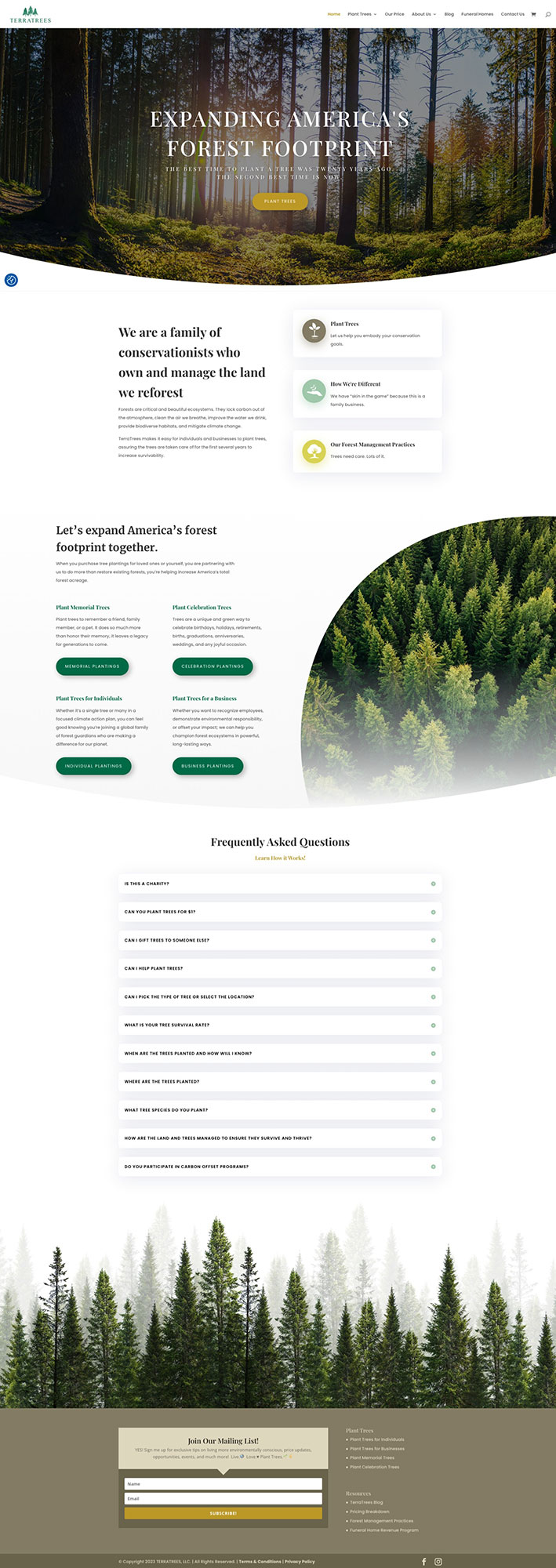

Engineering a High-Trust, Guided E-commerce Experience.
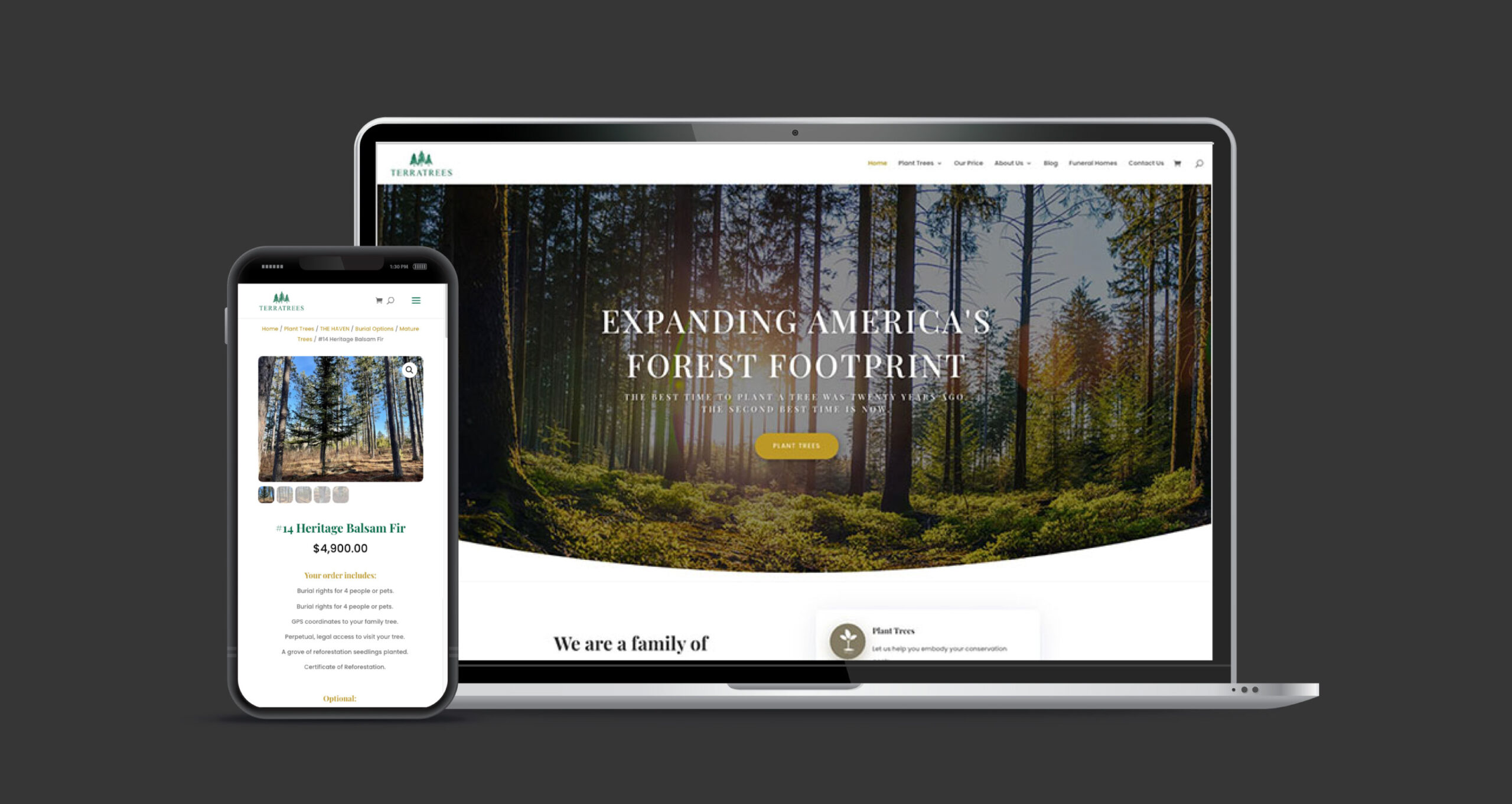
Transforming a complex e-commerce environment into a streamlined, high-conversion purchasing engine. By re-architecting fragmented product categories into a guided, purpose-driven flow, I bridged the gap between ecological mission and consumer confidence.
%
Boost in Total Site Traffic
%
Increase in New User Acquisition
Weeks From Discovery to Global Launch
The Challenge
The Problem
TerraTrees’ mission—making sustainable reforesting accessible—was being undermined by a high-friction digital experience. An audit revealed that users were overwhelmed by “Choice Paralysis”; the lack of clear filtering and abstract value propositions created a significant trust barrier. Without immediate visual confirmation of ecological impact, potential donors abandoned the funnel before completing a transaction.
“Our brand vision was there, but our digital experience was failing to translate that into a professional, trustworthy reality.”
The Goal
The mandate was to transform the brand aesthetic into a strategic, conversion-focused UI/UX framework. The objective was to architect a purpose-driven purchase funnel that reduced product-page bounce rates, integrated transparent impact metrics to boost transaction confidence, and delivered a scalable design system for future e-commerce growth.
Success required more than an aesthetic refresh; it demanded a re-engineering of the e-commerce funnel to prioritize human emotion and ecological impact over technical specs.
The Strategy & Process
To bridge the gap between ‘Choice Paralysis’ and ‘Confident Purchase,’ I initiated a deep-dive audit into the psychology of sustainable giving and e-commerce conversion patterns.
01
Discovery & Audit
Mapping Clarity from Chaos
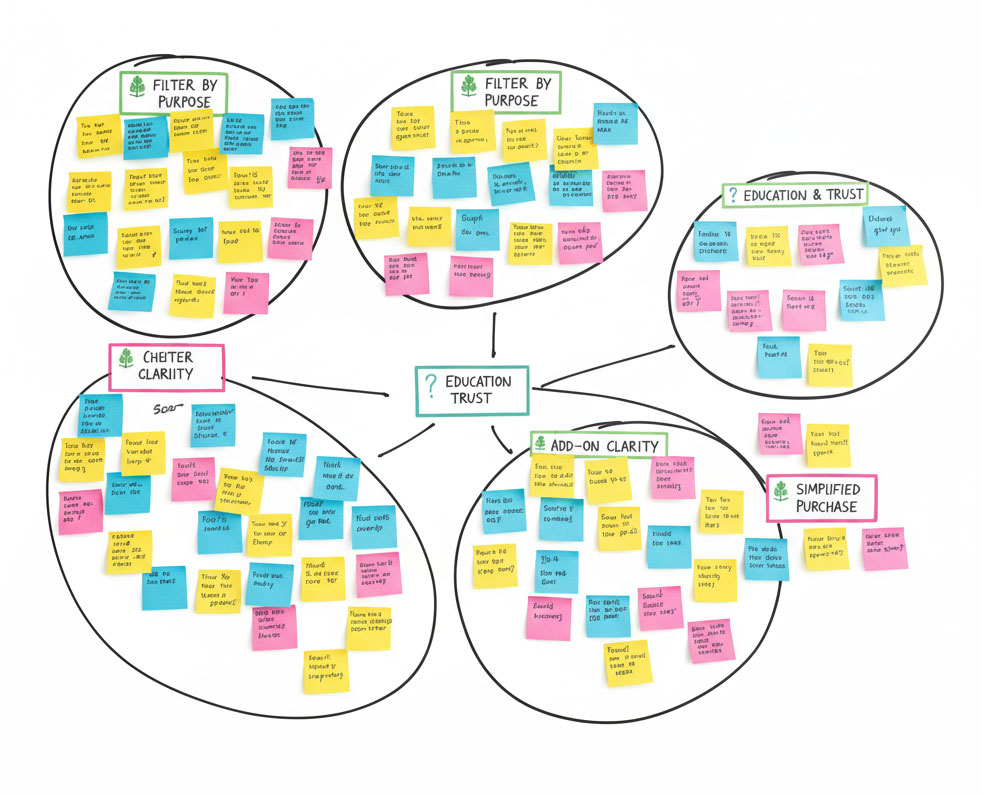
The variety of tree species and planting locations was paralyzing users. I performed a digital card sort and content audit, discovering that users mentally organize reforestation by purpose (Memorial, Business, Individual) rather than technical genus. This insight allowed me to re-prioritize the Information Architecture (IA) around user goals, ensuring the design was anchored in behavioral logic rather than inventory lists.
02
Architecture & Logic
High-Trust, Low-Friction UI
I re-engineered the purchase funnel to act as a “Guided Experience.” By redesigning the product detail pages (PDP) to prioritize three pillars—Clarity of Impact, Transparent Pricing, and Immediate Call-to-Action—I reduced cognitive load. To overcome the trust barrier, I integrated real-time impact metrics and planting location maps directly into the modules, providing immediate validation of the user’s contribution.
03
Design System Governance
Scalable Design Systems & Front-End Integrity
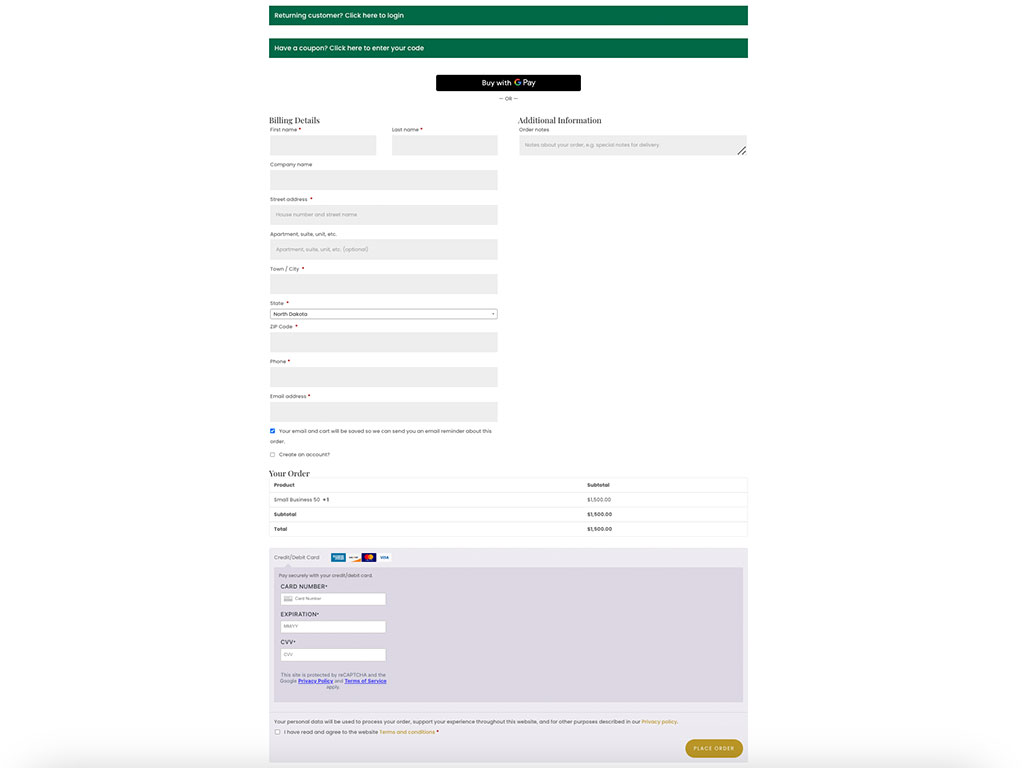
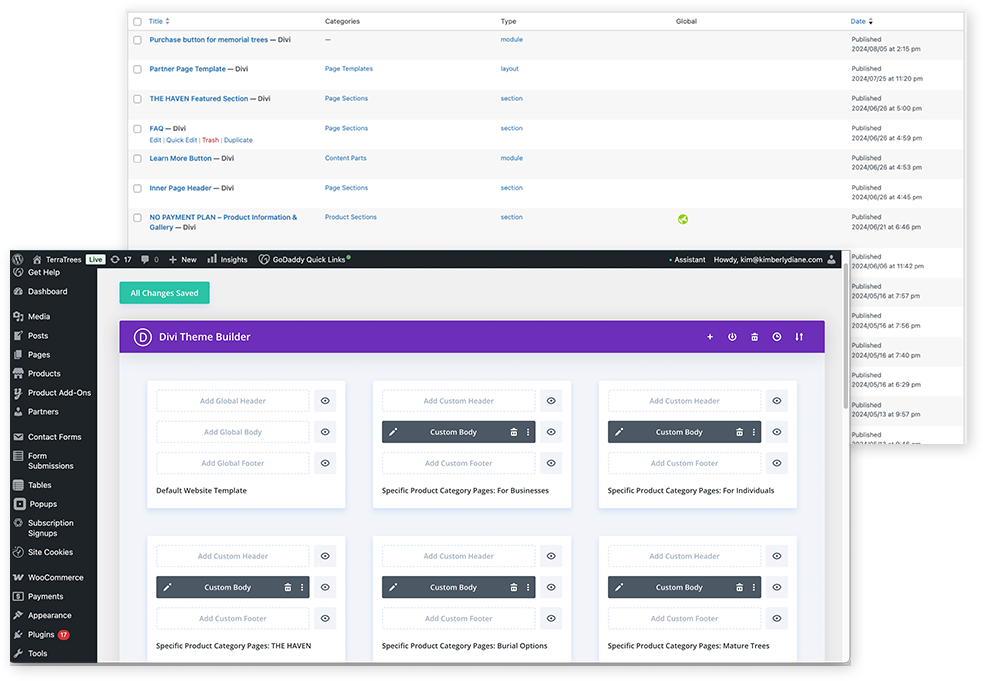
To ensure the UX vision translated perfectly to production, I acted as the Lead Designer and Front-End Developer. I architected a centralized Component Library within the WooCommerce ecosystem, ensuring all UI elements (buttons, forms, and product cards) were pre-vetted for responsiveness and accessibility. This “Single Source of Truth” allowed the internal team to scale the catalog without further custom development costs.
04
Testing & Validation
Data-Backed E-commerce Growth
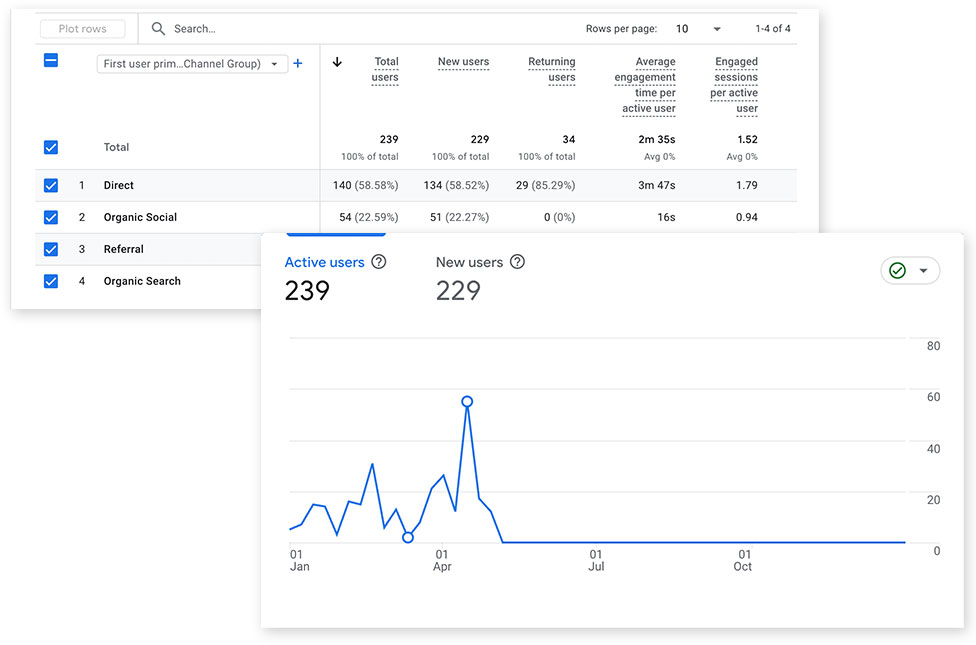
The post-launch analysis validated the strategic shift. By aligning the IA with SEO-optimized, purpose-driven content, we achieved an 11% boost in traffic and an 8% increase in new visitors. The simplified filtering system successfully moved the needle on user confidence, transforming the site from a confusing catalog into a high-performance growth engine.
The Result
By unifying purpose-driven IA with a high-trust visual system, we didn’t just redesign a store; we activated a self-sustaining engine for global reforestation.
Designing for "The Why"
I learned that in mission-driven e-commerce, the “Why” (purpose) must always precede the “What” (technical details). Building the IA around user intent solved the choice paralysis that was killing conversions.
Trust as a UI Component
Clarity is the ultimate trust signal. Integrating impact metrics directly into the UI reduced user anxiety and streamlined the path to purchase.
Full-Stack Design Ownership
Owning both the UI strategy and the technical implementation ensured that the complex filtering logic remained 100% aligned with the tested UX flows.
This project reinforced my belief that in e-commerce, design is a tool for confidence. By prioritizing logic and mission-clarity over decorative elements, we turned a complex logistical process into a simple, emotional, and successful user journey.